
John is a young boy who was born and raised in Kabala. At just 16, he made the brave decision to drop out of school to give his younger siblings the chance for a brighter future. His heart was set on seeing them happy. So, with hope in his eyes, John moved to Kampala, a city where dreams are said to come true.
Two years later, John’s small business was thriving, and he found himself almost forgetting about his HIV diagnosis. The routine of picking up his medications had become just that—a routine—no longer a source of anxiety. For the first time, he felt he was on a genuine path toward achieving his dreams.
As long as he could afford a decent meal and a fare to Gayaza, where he shared a modest room with a friend, John felt at ease. He embraced his role as a provider, supporting his siblings in school and nurturing their aspirations. Everyone around him, including himself, took pride in the man he was becoming, fueled by resilience and love.
Everyone was going about their lives as they would on any other ordinary day, each person focused on their own journey and striving to improve. The sun cast her warm, golden rays, illuminating the world as the day began to wind down. As evening approached, party lovers eagerly prepared to welcome the night, embracing the gentle glow of the moon. The air was filled with the joyful laughter of tomorrow’s leaders, creating a soothing symphony that resonated through the vibrant streets.
However, as the week reached its peak, a sudden shift occurred. News spread like wildfire, igniting a wave of terror and fear throughout the nation. An unfamiliar and undiagnosed enemy had infiltrated the country—an adversary that could not be fought off with guns or blades. Strength and wisdom offered little solace in that moment, as this foe bore no physical form; it thrived in the shadows, taking hold of those who brushed against it in greeting or shared a handshake.
Panic gripped the nation as uncertainty loomed. No one knew what tomorrow would bring, and the once-familiar streets now felt charged with an unsettling tension. The community braced itself for the unknown, united in a shared sense of vulnerability. In the face of this invisible threat, resilience and hope became the guiding lights amid the encroaching darkness.
Confined to their homes, even the children sensed the growing tension; freedom had become an expensive luxury. With only a week’s worth of pills left, John grappled with anxiety and depression. Apart from his mother, no one knew about his HIV status, and he had worked hard to keep it a secret. The new reality meant obtaining permission from local authorities or showing his hospital card to the police—challenges he hadn’t anticipated. He reminded himself that the world is a stage and devised a plan to navigate the roadblocks once his medication ran out. Yet, a month passed, and he still had no concrete strategy.
One evening, Kuraish, the executive director of UYP, crossed paths with John, noticing his stress. Curious, he asked about John’s situation and was heartbroken to learn that it had been two months since John had taken his medication. Moved by John’s plight, Kuraish reached out to facility in-charges, advocating for a solution.
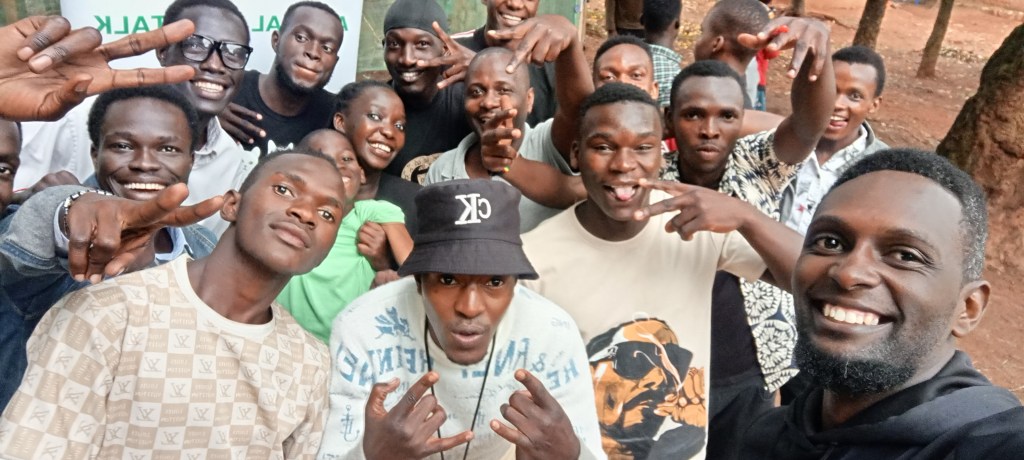
Two weeks later, John and over 349 other young people received their ARVs delivered right to their homes. This initiative allowed them to adhere to their treatment, offering hope and a sense of stability during such uncertain times.
 ugandayoungpositives
Leave a comment